My hands shook as I took the letter from Mrs. Whitmore. The paper was thin. Fragile. It felt like holding a piece of my mother’s soul.
Jimmy watched me. His eyes were desperate. He already knew what was in that letter. He’d been carrying it for twenty-five years.
I unfolded it carefully. My mother’s handwriting filled the page.
My dearest Claire and Jimmy,
If you’re reading this together, then God has performed a miracle I’ve been praying for. My greatest regret isn’t the cancer. It’s the rift between my two favorite people.
I stopped reading. The room spun.
“Cancer?” I whispered. “She died in a car crash.”
Jimmy’s face crumpled. “No, Claire. No. She had stage four pancreatic cancer. She was dying. That’s why I left—I couldn’t watch her die. I was a coward.”
Mrs. Whitmore nodded slowly. “She didn’t tell you, sweetheart. You were only seven. She didn’t want you to spend her last months scared.”
The letter continued:
Jimmy, I forgive you for leaving. I understand the pain was too much. But please, come home. Come meet your niece. She has your eyes and your stubborn streak. She needs her uncle.
Claire, if Jimmy is reading this with you, know that he is a good man who made a mistake born from love, not malice. Take care of each other.
The book I’m giving Jimmy is first edition To Kill a Mockingbird. It was my grandmother’s. It’s worth approximately $15,000. I’ve had it appraised. Jimmy, sell it. Get yourself back on your feet. Start over.
But more than the money, I’m giving you each other. Please. Don’t let pride steal more time.
All my love, forever and always, Sabe May 14, 1999
The letter slipped from my fingers. I couldn’t breathe.
My mother hadn’t died in an accident. She’d been dying for months. And she’d spent her last days writing letters, trying to heal the wounds her brother and I would inherit.
Jimmy was sobbing now. Ugly, broken sounds. “I didn’t know about the cancer. I thought she was healthy. I thought I had time. When I found out… it was too late. The funeral was over. I couldn’t face you or your father.”
“Dad knew?” I asked.
Mrs. Whitmore nodded. “He tried to find Jimmy too. He died two years ago, Claire. He never made peace with it either.”
Another loss. Another regret. Another family torn apart by pride and pain.
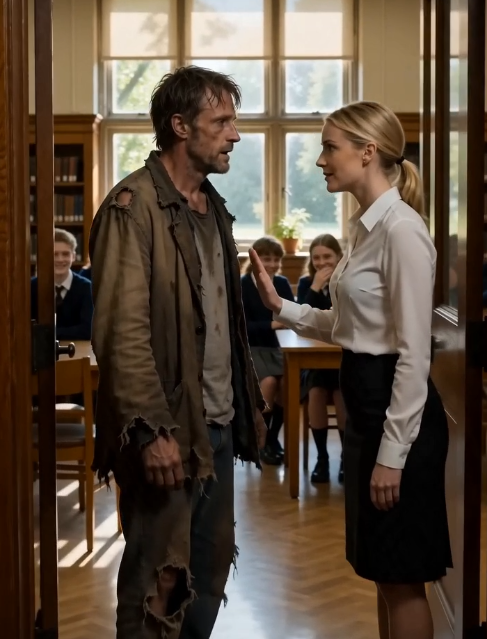
I looked at Jimmy. Really looked at him. The ragged clothes. The hollow cheeks. The hands that had clearly known hard labor and harder nights.
“How long have you been carrying this?” I asked.
“Every day,” he said. “I couldn’t spend it. It felt like selling her. But I couldn’t keep it either—too painful. I’ve been drifting. Sleeping in shelters. Working day labor. The book was my only possession of value.”
He touched the cover gently. “I came here because I’m sick, Claire. Liver disease. Years of drinking caught up with me. I need medical care I can’t afford. I thought… maybe if I showed you the book, proved who I was, you might help me get treatment. So I could have time to know you. To make this right.”
The irony was brutal. My mother’s last gift—a valuable book, a chance at reconciliation—had taken twenty-five years to deliver.
And now we were both running out of time.
“What do you need?” I asked.
“Everything,” he said. “A place to stay. Medical care. A chance to be your uncle instead of a stranger who smells like the street.”
I made another decision.
“Give me the book,” I said.
His face fell. He clutched it tighter. “Please. It’s all I have left of her.”
“I’m not taking it from you,” I said gently. “I’m going to sell it. And we’re going to use the money to get you healthy.”
“What about you? She left it to both of us.”
“I have a job. A home. You have nothing but this book and a body that’s failing. Take the money, Jimmy. Get better. Then we’ll figure out how to be a family.”
Mrs. Whitmore was crying again. “Sarah would be so proud of both of you.”
We found an appraiser in Burlington. The book was worth $18,500—more than my mother had estimated. Jimmy signed the paperwork with shaking hands.
“What are you going to do with your share?” he asked as we left the shop.
“I’m going to put it in a college fund,” I said. “For my kids. So they can know their great-grandmother’s legacy. And so they can meet their Uncle Jimmy.”
He stopped walking. “You’d tell them about me? Even knowing what I’ve been?”
“I’d tell them about the man who loved their grandmother so much that losing her broke him. And about how he found his way back. That’s the story that matters.”
Six months later, Jimmy sat in my living room, cancer-free and sober, holding my daughter on his lap. She was two. She called him “Uncle Jem.”
He was reading To Kill a Mockingbird to her. Not the valuable first edition—that was gone. But a new paperback. One he could afford. One without sentimental value, except for the story itself.
My mother had been right. The book wasn’t the gift.
We were.