My Husband Blamed Me for Infertility Before I Exposed His Real Medical Records
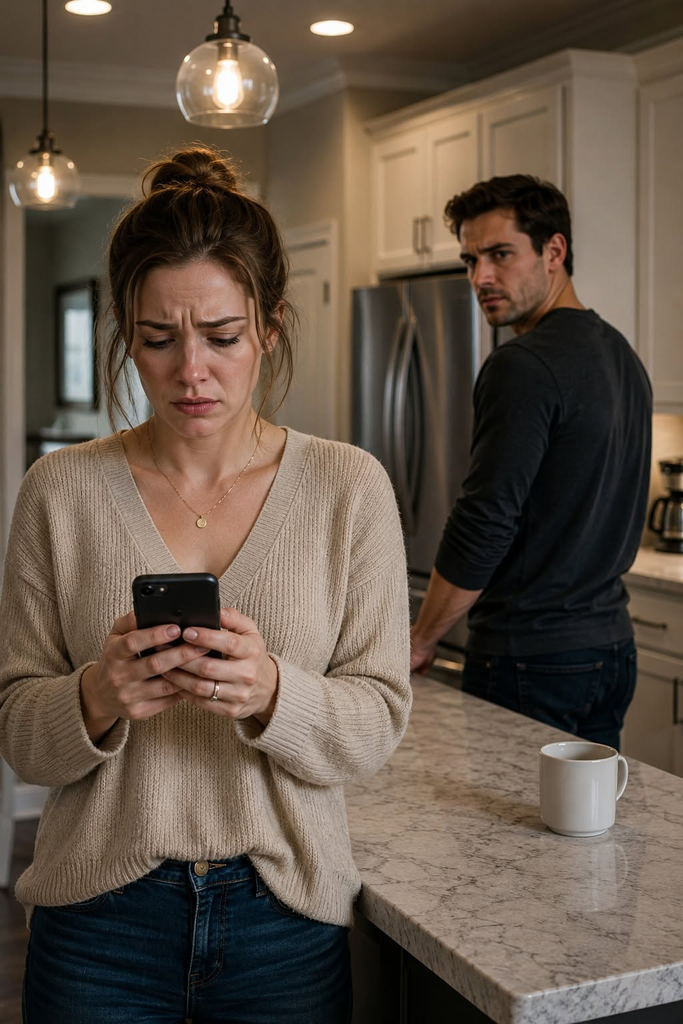
PART 3 (FULL STORY)
A suffocating, dead silence fell over the private dining room of the restaurant. The clinking of silverware stopped completely. Thirty relatives—aunts, uncles, cousins, and lifelong family friends—sat frozen in their seats, staring in disbelief at the manila folder and printed lab reports spread across the white linen tablecloth.
Carol’s manicured hands shook violently as she picked up the top document. The bold letterhead of the regional reproductive medical center was unmistakable. Her eyes scanned the diagnostic summary: Patient: Daniel Morgan. Diagnosis: Severe Non-Obstructive Azoospermia. Sperm Count: Zero.
Directly beneath it was the color printout of Daniel’s text message from three nights earlier: “Yeah. Nothing wrong on my end. Please don’t push her too hard.”
Every drop of color drained from Carol’s face, leaving her an ashen, horrified gray. She looked up from the paper, staring at her son with wide, trembling eyes as the weight of two years of cruel assumptions crashed down upon her.
“Daniel…” Carol whispered, her voice cracking with humiliated disbelief. “You told me your tests were perfect. You let me buy books, suggest doctors, and tell everyone Rachel was the one struggling… when you knew it was you the entire time?”
Daniel lunged forward, his face flushed a furious, mottled crimson as he slammed his palms against the table. “Rachel, this was private medical information! How could you humiliate me like this in front of my own family?”
Before I could answer, Daniel’s older brother, Matt, stood up from his chair, his eyes blazing with disgust. “Shut your mouth, Daniel. You didn’t care about privacy when you were using Rachel as a human shield. You let Mom publicly interrogate her for two years and fed her lies just to protect your pathetic ego. You are an absolute coward.”
A chorus of shocked, angry murmurs broke out across the room. Several aunts shook their heads in dismay, while Daniel’s cousins looked at him with unvarnished contempt.
I looked at the man I had loved for six years, feeling neither rage nor desire for revenge—only the clean, liberating detachment of a woman who had finally stepped out from beneath a suffocating burden.
“For two years, Daniel,” I said, my voice calm, smooth, and echoing clearly across the silent room, “I held your hand while you cried. I swore to protect your diagnosis because I loved you. But you didn’t just let your mother attack me; you handed her the weapon. You chose your pride over your wife, and in doing so, you destroyed our marriage.”
With steady fingers, I reached to my left hand, slid off my diamond wedding band, and placed it squarely on top of his diagnostic lab report.
“Enjoy the rest of your birthday brunch, Carol,” I said politely, picking up my purse.
I turned on my heel and walked out of the restaurant. As the heavy glass doors closed behind me, the cool afternoon breeze rushed over my face, and for the first time in two years, I could breathe without a tight knot in my chest.
The very next morning, I retained a divorce attorney and filed for the legal dissolution of our marriage.
Over the weeks that followed, Daniel left dozens of frantic, weeping voicemails on my phone. He showed up at my office with flowers, sent emails begging for marriage counseling, and claimed he had acted out of deep psychological shame.
I didn’t answer a single call. Shame explains fear; it does not excuse the deliberate, calculated cruelty of scapegoating the person who loved you most.
Two weeks into the proceedings, a thick envelope arrived at my apartment from Carol. Inside was a four-page handwritten letter of profound, unreserved apology. She admitted that her obsession with grandchildren had blinded her to basic empathy, and that she was deeply sickened by her own behavior and her son’s cowardice. I appreciated her words, but I had no desire to look back.
The divorce was finalized six months later. Our suburban house was sold, our assets and savings were divided cleanly, and I walked away with complete financial independence and my dignity fully intact.
I moved into a sun-drenched historic brownstone near the city park, painting the walls in warm ivory and decorating every room with fresh flowers, art, and books. I poured my energy into my career, spending weekends hiking, traveling with close friends, and rebuilding my life on a foundation of absolute self-respect.
Two years after that unforgettable brunch, I met David—a gentle, emotionally grounded architect who listened with genuine respect, communicated with honesty, and loved me with a fierce, unwavering devotion.
We married in a quiet, intimate garden ceremony surrounded by people who cherished us. One year later, on a radiant spring morning, I gave birth to our healthy, beautiful baby boy, Leo.
Three years after walking out of that restaurant, the golden morning sun bathed the wooden porch of our home in warm light. I sat on the swing with my four-month-old son sleeping peacefully against my chest, his tiny fingers curled around my thumb.
David walked out carrying two warm mugs of coffee, kissing my forehead gently before sitting beside me and smiling at our son.
I looked down at Leo’s sweet face, listening to the gentle rustle of the trees in the morning breeze. Daniel had believed that sacrificing my reputation was a small price to pay to protect his fragile pride. But looking at the beautiful, honest life I had built from the ashes of that betrayal, I knew the truth: you must never allow anyone to make you the villain in a story they broke—because the moment you stand up for your truth, you clear the path to the real, unconditional love you truly deserve.