I kept walking until the double doors of the banquet hall closed behind me and the noise of the room cut off like someone had hit mute.
My wife, Laura, was already holding my coat. She didn’t say a word until we were in the elevator going down to the parking garage.
“You okay?” she asked.
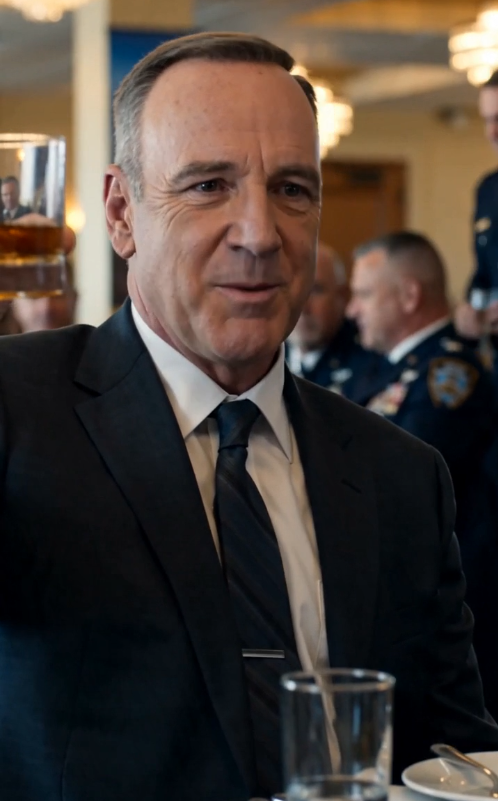
I looked at my hands. They were shaking. I shoved them in my pockets. “I don’t know yet.”
We drove home in silence. The city lights blurred past the window. Every time I blinked I saw the look on Crowe’s face when I said the word “locked.”
At home I went straight to the spare bedroom closet and pulled out the old cardboard box I had kept for twelve years. I hadn’t opened it since the last time the nightmares got bad. Inside were the burn unit discharge papers, the photos of the warehouse after the fire, and a sealed envelope with the name of the rookie who had been on the roof that night and saw everything.
Laura stood in the doorway. “You’re really doing this.”
“I already did it,” I said. “The rest is just proof.”
The next morning I drove to the district attorney’s office with the box on the passenger seat. I didn’t call ahead. I just walked in, showed my badge, and asked to speak to someone who handled public corruption cases.
By noon the story was out.
The rookie — now a sergeant in another county — confirmed everything on record. The deadbolt had been turned from the outside. Crowe’s radio traffic showed he reported me as “already out” before he even reached his car. The commendation he received for “heroic actions” was based on a lie he told while I was still in surgery.
By the end of the week the retirement party was the least of his problems. Internal Affairs opened a case. The state police took over. The mayor asked for his resignation from the department he had already left.
I didn’t go to any of the hearings. I didn’t need to. I had said what I came to say in a room full of the only people whose opinion ever mattered to me.
Three months later I got a letter in the mail. No return address. Inside was a single page torn from a notebook. Martin Crowe’s handwriting.
“I’m sorry about the door. I was scared. I’ve been scared every day since. You were always the better cop. — M.”
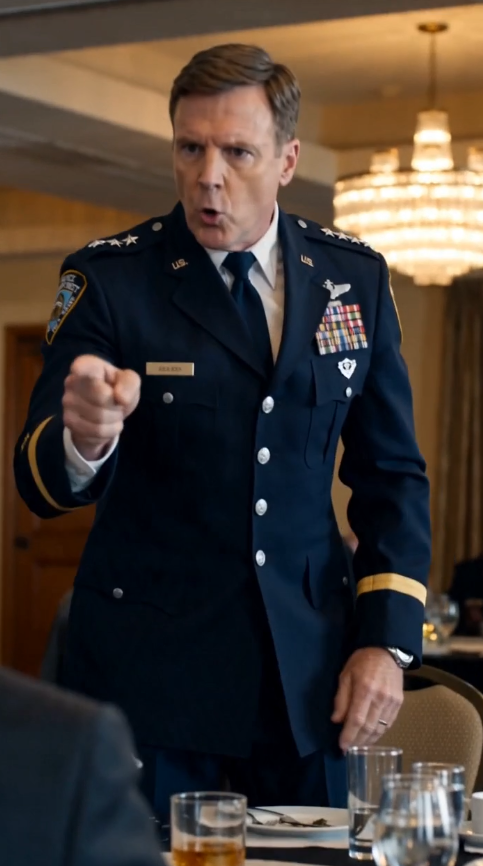
I folded the page and put it back in the envelope. I didn’t throw it away. I didn’t frame it either. I just left it in the box with the rest of the truth.
On the first warm night of spring I took Laura out to the back porch. We sat in the old metal chairs and listened to the crickets. My neck didn’t pull as tight as it used to when the weather changed. Or maybe I had just stopped noticing it as much.
She reached over and touched the scar above my collar.
“You never have to go to another one of those dinners again,” she said.
I looked out at the dark yard and the single light still on in the kitchen.
“I know,” I answered. “I already said everything I needed to say.”