Senator Vance froze, her hands gripping the edge of the mahogany desk. The hearing room was dead silent. The only sound was the hum of the HVAC system and the distant, muffled wail of a police siren on Capitol Hill. The flashbulbs from the press gallery stopped popping. Everyone was watching her.
“Page four?” she stammered. Her voice cracked. The booming, authoritative register she had used for the last two hours was completely gone. She looked down at the maroon folder. The gold letters PASTORATE gleamed under the harsh fluorescent lights.
“You told the committee the funds were wired to my personal account in Delaware,” I said. My voice was steady. I kept my eyes locked on hers. “But you didn’t tell them where the money went after that.”
Vance swallowed hard. Her Adam’s apple bobbed. She looked at the man sitting next to her, a junior senator with a nervous twitch. He was staring at his phone, refusing to meet her eyes.
“Mr. Pendelton,” she said, trying to regain her footing. She forced a tight, practiced smile, but her hands were shaking. “You are confusing the committee. The audit is clear. The money is gone. You are trying to distract us with war stories.”
She pointed a manicured finger at the photograph on the desk. “That photo is from twenty years ago. It has nothing to do with the missing two million dollars. You are a thief, Arthur. And you are going to prison.”
My stomach twisted into a tight, painful knot. I looked at the small American flag in my hand. The fabric was frayed at the edges. I had bought it at a gas station in Virginia on the way to D.C.
“I’m not a thief,” I said. “And I’m not confusing anyone. I’m just reading the ledger.”
I reached into the deep pocket of my gray suit jacket. My arthritic fingers brushed against a thick, folded piece of paper. I pulled it out. It was a bank routing slip. The paper was crisp, white, and stamped with the seal of the Federal Reserve.
“The two million dollars wasn’t embezzled,” I continued, my voice echoing off the wood-paneled walls. “It was seized. Your office froze the Pastorate Initiative’s assets three months ago. You claimed it was a ‘routine compliance audit’. But the program was running out of money. The veterans were going to lose their homes.”
Vance took a half-step back. Her polished leather shoes squeaked against the carpet. “That’s… that’s internal procedure. You know nothing about federal compliance.”
“I know that when the assets were frozen, I liquidated my own pension,” I said. I held up the routing slip. “I sold my house in Blue Ridge. I cashed out my life insurance. And I wired two million dollars of my own personal money into the Pastorate accounts to keep the program alive.”
The silence in the room didn’t just fall. It collapsed.
The other committee members shifted in their leather chairs. A woman in a charcoal blazer leaned forward, squinting at the paper in my hand. The press gallery erupted into a low, frantic whisper.
“You wired your own money?” the junior senator asked. His voice was barely audible.
“I did,” I said. “But the bank flagged the transfer. They thought it was suspicious. So they routed it through a clearinghouse in Delaware. The same clearinghouse your husband uses for his ‘consulting firm’.”
Vance’s face flushed a deep, ugly crimson. She lunged forward, her hands slamming onto the desk. “That is a lie! My husband has nothing to do with the Pastorate Initiative! This is a smear campaign! Security! Get him out of here!”
Two large men in dark suits stepped forward from the back of the room. But they didn’t walk toward me. They walked toward the press gallery.
“Senator Vance,” a voice boomed from the doorway.
The heavy oak doors swung open. A woman in a sharp black suit walked in. She held a thick leather folio. Behind her were two men in dark windbreakers with “OIG” printed in bold yellow letters across the back. The Office of Inspector General.
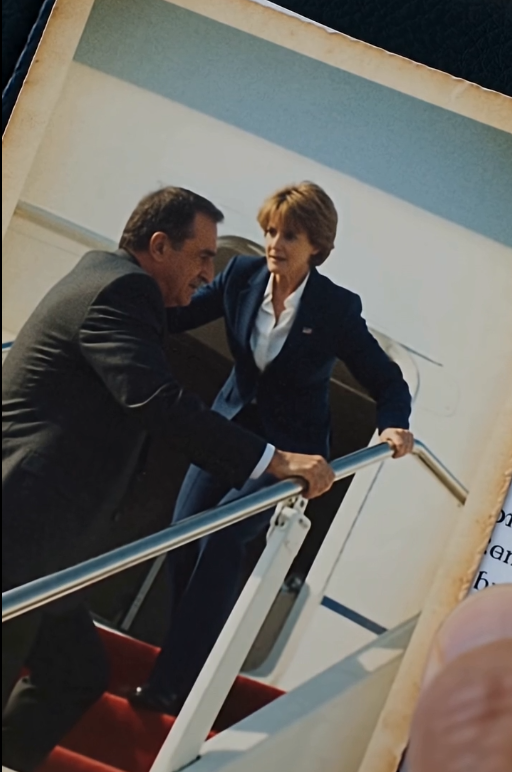
“Senator Vance,” the woman repeated, her voice flat and loud. “We have a warrant for the financial records of your husband’s LLC. And we have a subpoena for your personal emails regarding the Pastorate Initiative freeze.”
Vance froze. She looked at the OIG agents, then at the committee members, then at me. The arrogant, untouchable Senator was gone. In her place stood a trapped animal, sweating through her crisp white blouse, her navy suit suddenly looking like a cheap costume.
“You… you can’t do this,” she whispered. “I am the chair of this committee.”
“Not anymore,” the woman in black said. She turned to the other senators. “This hearing is adjourned. Senator Vance, you need to come with us.”
The other senators didn’t look at her. They were already packing up their briefcases, moving away from her as if she were contagious. The junior senator stood up and practically ran out the side door.
Vance didn’t fight. She just slumped into her chair, her head in her hands. The agents stepped up to the dais, their faces blank, their hands resting on their belts.
I stood in the center of the aisle. I didn’t smile. I didn’t gloat. I just looked at the photograph on the desk. The one showing me carrying the wounded soldier down the stairs. I had saved his life that day. Today, I had saved the program.
I turned around and walked back up the center aisle. The small American flag rested heavy against my chest. I walked out of the hearing room, the marble floors gleaming under the cold lights.